Introduction to Cricket Farming
Have you ever thought about how to make your backyard a small cricket farm? If not, it’s time to rethink! Cricket farming as a viable and sustainable added-value business is still in its infancy. Amid an increasing interest in alternative protein sources, crickets have been the focus of attention among health-conscious consumers and environmentally minded investors. This guide will cover everything you need to know about starting a cricket farm of your own, from choosing the right species to harvesting research that results in maximum efficiency. Blast off to this incredible chance!
The Benefits of Cricket Farming
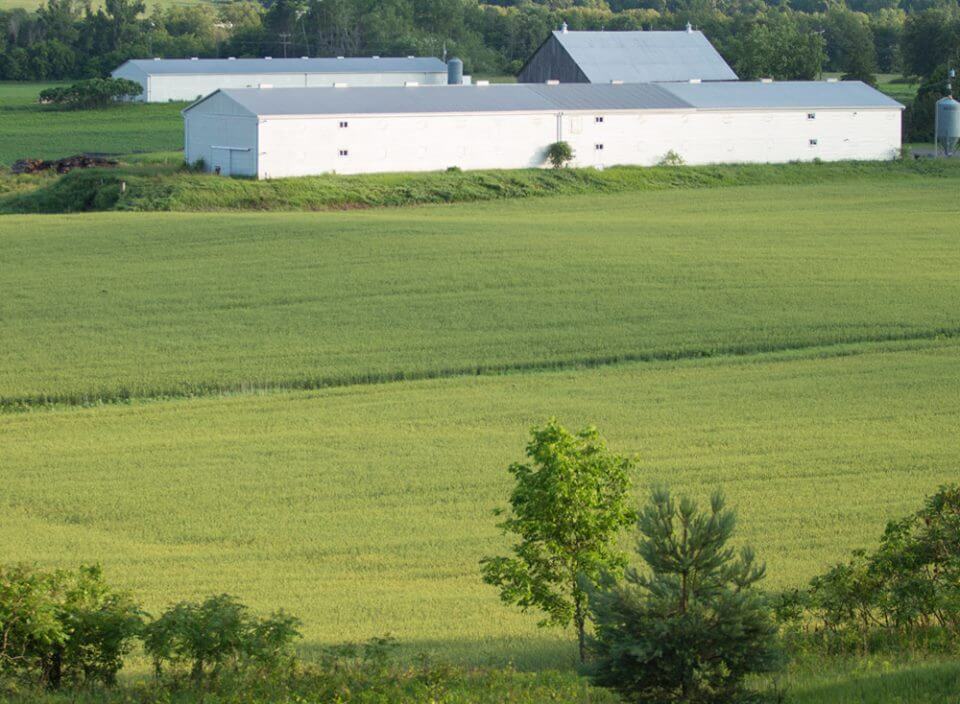
Cricket farming has a lot of advantages that can make it both attractive to the beginner and the long-time farmer. For one thing, crickets are a source of sustainable protein. They use far less land and water than traditional livestock. Moreover, they reproduce quickly. With this quick turnaround life cycle, you can scale up your business more quickly than other farming models.
Nutritionally, crickets pack a punch. They have a substantial protein content, vitamins, a nd minerals level – It is no wonder that health-conscious consumers are attracted to them. Cricket waste is also a good fertilizer. Rather than creating toxic byproducts, their droppings instead add nutrients to the soil in which crops or gardens may be planted. Moreover, covering the cricket market requires low barriers to competition as this is still a niche compared with other farming businesses. As interest grows in alternative proteins, it’s a perfect time to take this foray further.
Choosing the Right Species of cricket farming
When it comes to cricket raising – species of cricket is paramount. Species-specific characteristics can have different effects on growth, reproduction, and market demand. The house cricket, Acheta domesticus, is the most commonly used. It grows in myriad conditions , and there is plenty of demand for it. Its nutrition makes it a fantastic option for people as well as pet owners.
The field cricket, or Gryllus campestris (also known as a woolly.. town..ustin’; lady-bird), is another choice. Less common habitat requirements and the somewhat harder work of harvesting it from bogs contribute to its stronger flavor characteristic, which is incredibly popular with gourmet chefs.
Choose a species that is suited to your local climate. Some species of crickets tolerate certain conditions better than others. You can also research your target market to help inform what type will be the most profitable. Choosing the Correct Species The correct species is vital to your success when raising crickets.
Harvesting and Selling Yourcricket farming
Collecting crickets is very simple, but timing is very important. You want to pick them ideally when they are fully feathered,d and around six weeks. This will result in the best possible harvest and quality. Keep your hand soft while collecting, or you could hurt the fragile little critters. This can be made easier by the use of a net or container to reduce the crickets’ stress as they are collected. Storage properly after harvesting is essential. Store in a cool place to retain freshness until they are sold.
When you do sell, consider multiple channels. Local farmers’ and pet markets, as well as online resources, are great venues to advertise and reach the cricket-buying market. 59 Alt 2 Call out the nutritionals of crickets as a protein source when advertising your product! Many times,s simply educating consumers about their eco-benefits can help spur interest and sales substantially.
The Potential Profit of Cricket Farming
The profit that could be made in rearing crickets is huge and growing more popular. Crickets use less land and water than conventional animals, making them a more sustainable source of protein. This efficiency is equivalent to a lower production cost. Market demand is on the rise. Crickets are not just for food for humans, but also for the animals’ feed and pet treats. As more people become aware of their nutritional value, demand for cricket-based products has grown.
There is potential for large profit margins with good management. Even a small farm can produce thousands of pounds per year if it is properly cared for and breeds successfully. Also, as the trend moves toward green consumption, early comers to this industry could reap rich rewards. Cricket farming has prospects for expansion as well. Diversifying product lines — whether it be flour or energy bars made from crickets — can help increase profits and respond to the variety of tastes.
Conclusion cricket farming
3) Cricket Breeding – A Booming Business Raising crickets for profit. Next, let’s look at how anyone with the entrepreneurial spirit and creativity can take something like cricket farming and turn it into a viable business. As the demand for novel sources of protein rises, crickets offer a good opportunity for entrepreneurs wanting to take advantage of this space.
When you understand how it helps keep the planet clean, keeps people fed and healthy, and provides a new alternative for farmers (and more), then it’s easy see why you might want to start your own farm. Picking the right species is key as it will assure successful breeding and growth to maximise output.
The harvest is pretty simple, as long as you are attentive. Here are some tips and trics when to sell your adult crickets in order not only to conserve what you have but also make money off of them. Getting connections with local or online businesses will give better mileage to exposure in such a growing industry.
Cricket farming makes sense as a business for new farmers and veterans alike due to low startup costs and high margins. As more people become aware of all the advantages insects offer as food, this industry may well remain buoyant. It’s such an interesting time to be jumping into skiing …, er, I mean cricket farming: there are new technologies and innovative ways of thinking that can make it a profitable and sustainable endeavor for those who take the plunge.