head gasket repair: Devastating Issue of All? It Comes Only When You Look Under the Car Hood. Such a humble-looking little part. Nevertheless, it plays a pivotal role in keeping your engine running smoothly (and saves the mechanic a spot of bother too). When it breaks, things will go terribly wrong in very short order: For example, just when you’re doing about 60 on the freeway, suddenly all strength is gone from your car. And this may also result in damage to the engine itself–irreparable. It’s a nightmare for any car owner.
Repairing a leaking head gasket is not only costly but also often indicates mechanical frailties lurking under the car bonnet. Knowing what causes these breakages and how to catch them early saves money on repairs and keeps any car running at its best. Whether you’re a seasoned DIY devotee or head gasket repair to leave the job of hard physical work to professionals, skill in this area is essential for every driver. Join us as we uncover everything you need to know about head gaskets: just what they do, why they fail, and what regular maintenance will do to keep you free from those damned headaches miles down the road!
What is a Head Gasket, and what is head gasket repair?
Notice that the part of the engine that must keep its distance from the other parts, the most important reason being to ensure that the cylinder head and block do not have oil between them. Also, to keep coolant from entering the engine oil, a gasket provides an optimal compression ratio. A car equipped with these things is running wonderfully!
However, if the seal fails, the consequences are soon felt. Repairs to a blown head gasket typically entail significant work and expense. In extreme cases, the engine may need to be disassembled.
head gasket repair the gasket. When such damage occurs, it requires a significant amount of person-hours in the garage and substantial outlays for metal parts. You will also have to buy new TorqueQuirt parts. But once this crisis is over and the new gasket goes in, a fresh lease on life beckons. It is crucial to make such repairs to aluminum-head engines as soon as possible to prevent significant engine damage from overheating.
The function and importance of the head gasket to a car’s performance cannot be overestimated. If you maintain your vehicle well, you do not have to worry about untimely trouble–this pays off!
Common Causes of Head Gasket Damage
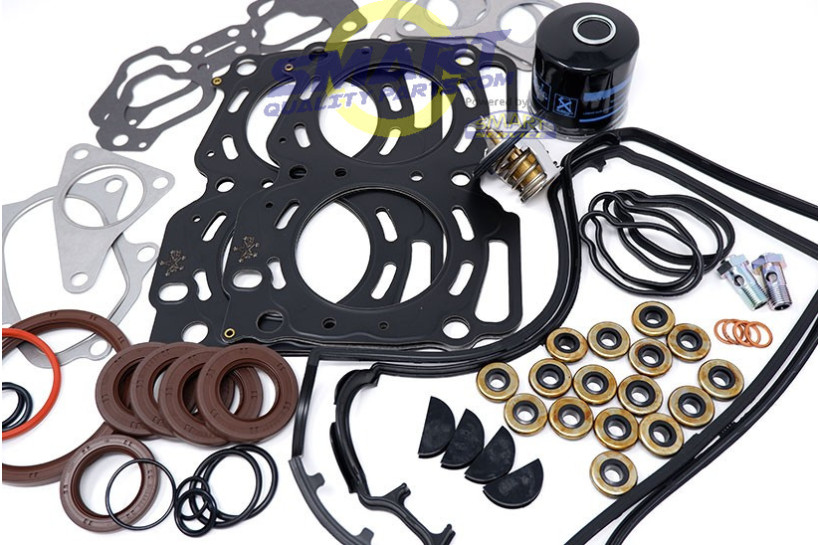
Head gasket damage can be caused by several factors, all of which are very common. One of them is overheating. When the engine temperature rises too high, this places enormous stress on the gasket, causing it to fail. Another is a lack of proper care. If you do not have regular oil changes, sludge will build up, and you risk gradually wearing out the head gasket.
head gasket repair, using inferior fluids can help degrade. Poor products often lack the additives needed to protect engine components. Then there are manufacturing blemishes. In some instances, bloopers made before the car leaves the factory can cause gaskets to fail prematurely, even without the driver or caretaker being involved. Being conversant with these reasons provides a basis for preventive measures against future, expensive breakdowns.
Signs of a Faulty Head Gasket
There can be any number of adverse symptoms from a faulty head gasket. One of the most obvious things is the engine’s marked inability to function correctly. You may find that it is less powerful or responsive than usual. The reason for this is often a deficiency in something unseen but essential.
head gasket repair clear indicator: your car will get hotter. When the temperature gauge frequently climbs into the red, it may be because the head gasket is worn and is allowing coolant to leak. Any white smoke coming from the exhaust pipe may indicate that the car is adding coolant, either into the combustion chamber or into its so-called burning chambers, where fuel and air are mixed for proper ignition, which, of course, causes corrosion.
Look for milky oil on your dipstick or beneath the oil cap. This mix of colors indicates contaminated lubricant resulting from coolant mixing with engine oil and is a definite portent of impending head gasket failure. However, all too often, people choose to neglect these harbingers of doom, with dire consequences yet to be seen.
DIY vs Professional Repair: Pros and Cons
Head gasket repair is a tempting do-it-yourself option. Not only will you save money, but you’ll also get the warm feeling of wrist aches that usually accompany a good bit of hard labor, no matter how difficult it is. For those used to fixing things with their own two hands, a fix like this might seem well within reach.
Still, replacing a head gasket requires very particular skills and tools. A mistake could lead to further engine damage or worse. If you don’t feel confident in your abilities, you probably should not let somebody experiment on this vital component of an engine, i.e., the critical place for combustion to occur.
For another thing, professional repairs have their own advantages. Experienced mechanics can troubleshoot accurately and repair effectively, without unnecessary work. They also offer warranties on their work – if you’re not satisfied with the results, you can take your vehicle back to them again free of charge for repair. Indeed, though, hiring professionals can make a massive dent in your wallet. In these cases, any labor costs quickly accumulate.
The Importance of Regular Maintenance for Preventing Head Gasket Issues
head gasket repair, keeping it going, is work that can be done only when one knows what he’s doing. Let me give an example of this from my own experience. When I was young and apprenticing as a mechanic with Mr. T. McDonald, he had goldfish, no? Well, every day the bubbles around them would diminish more until they died! Therefore, your car’s engine and radiator should be checked periodically so that your head gasket remains healthy.
This is part of regular vehicle maintenance, and at the same time of year, you are liable to plant crops when needed. Open them up and pick off the creatures that are beginning to grow when they should not! Winning the battle against overheating is the best way to ensure that head gaskets will not fail.
With regular coolant level checks and proper radiator control (both fans should work well), you can avoid excessive heat buildup. Oil changes also help protect the engine. Old oil that thickens increases friction and wear between parts, which can eventually damage the head gasket. Additional attention can also be paid to abnormalities such as sounds and leaks during the inspection process. Timely repairs save you from shelling out like a cotillion ball, later! Regular service not only improves performance but also prolongs the life of your vehicle’s parts. Regular maintenance is investing in insurance for future protection of your wallet — it really does save money, and besides that, too!
Conclusionhead gasket repair
Every car owner must tackle head gasket repair. What a head gasket actually does is something not quite clear to most car owners. It’s strange, really-people can usually remember the day they took their driving test without fail, but when asked what the head gasket does, they have little or no idea. If the gasket is damaged, then finding out why and how to withdraw from a particular position of the car engine can save large repair bills in the future. Regular maintenance, such as ensuring your oil is changed on time and checking the cooling system for completeness, is essential for preventing problems.
But for the do-it-yourselfer who must tackle life behind wrenches, the benefits and drawbacks have to be weighed up. So long as the professional help is usually perfect, then this is generally at a higher cost. head gasket repair care of your engine means being vigilant about its weakest points– such as the head gasket. A little knowledge can go a long way in saving hours of time and money on wheels.