Inside Out 2, glued to your cell phone,” in a single phone in the hands of the door, has become concrete. Feeding this trend is Inside Out 2, a movie where everybody anxiously awaits to see how it envisages them, and their emotions are pushed live onto the screen for all to share. Incredibly advanced technology, a single invention, might thus help — or hinder — the whole pattern of life. At that moment, I understood it clearly and could explain it in my own words. Even so, my knowledge covered only one very small slice of his art.幸好
The crowd started to scatter at once. Some walked away in silence, while others ran to catch up with instructors to hear more of our memories and reflections on such an extraordinary day. Have you ever found yourself glancing through social media instead of talking with your family at dinner? Or missed precious moments because you’re too busy checking your phone for notifications? You’re not unique. Taking into account the influence of popular cultural touchstones such as Inside Out 2, we will explore the extent to which excessive phone use impacts our mental health and what we can do about it.
The Rise of Technology and Inside Out 2 glued to the phone
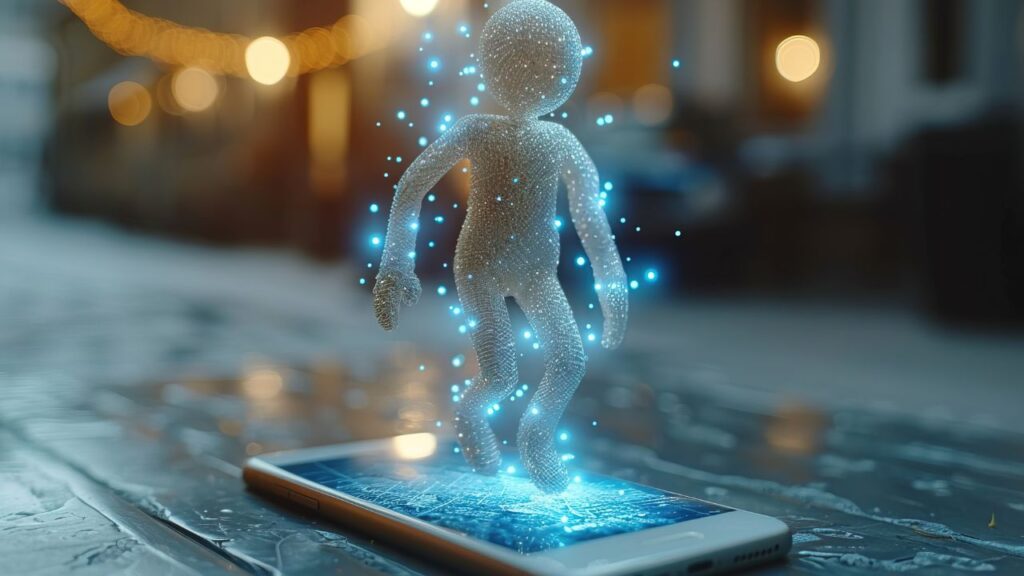
Inside Out 2 glued to phone, the influx of technology has changed our lives completely: in this new world, we relate differently and gather our content differently. With the imminent release of Inside Out 2, fans immediately turn to their personal devices to discuss nostalgia and emotion on the one hand, or to make forecasts about which convenient event may occur later this year. The opinions and theories from this show are creating a wave so tempting to ride on a rainy day.
Catching up in this summer’s installment brings viewers closer to their own screens than ever before: The joy of sharing your thoughts and the strange pleasure of seeing others discuss what you’ve said keep us scrolling on. The happy result is that when the jokes in accusation Web telephones free of charge begin, time does not necessarily fly.
The fusion of technology and entertainment makes it seem like you have to keep your eyes on the screen all day. But amid all that interaction, there is a danger — the risk that this could represent a breach of reality: real-world, up-to-speed conversations overtaken by comment boxes.
We are now valuing fleeting, superficial interactions on our screens more than the solid relationships right in front of us, and for a lifetime. It is interesting and disturbing at the same time how quickly we can forget what’s inside us 2 glued to phones at present, although we live abroad in online trends — as if blindly following others who know exactly where they are headed before we have even asked ourselves where our destination lies!
Understanding the Impact on Mental Health
Meanwhile, there is more and bigger evidence showing how smartphones exert a negative impact on mental health. A circle of anxiety is user experience, until an impulse-notification buzzing and endless scrolling induce in you a state of persistent irritation. Users feel the need to log on instantly, which greatly increases their stress levels. But social media only makes things worse. By posting pictures of themselves that are worth 1,000 words or more, everyone who uses the same Web services makes comparisons inside out 2 glued to their phone, which only serves to deepen those problems into low self-esteem or even depression.
In addition, the light-emitting diodes (LEDs) in the backlit screens of modern devices emit blue light. When people get less sleep or their quality of rest is compromised, this yet cobbles up any bad mood they might be in together for a whole day. For example, loneliness is a problem. People may have been connected to their extensive electronic contacts for a long time now. But they cannot see the way forward in real-life interaction with others. This suggests that as more of our social needs are met through electronic interactions and video calls, we might feel discontent or isolated on earth.
To continue in the same way feels that, as we turn more and more to social media interaction and video phone contacts for our social needs, we still live on the mountaintop in Mansion Row, to which we may be divorced, but methods for escaping those evils are equally essential and treacherous in the digital century.
Signs of Excessive Phone Usage
Inside Out 2, glued to the phone, the use of mobile phones often shows up in many subtle ways. For instance, upon waking up in bright sunlight or the scattered light of a nearby streetlamp, all you feel is for your device to give you direction. Meanwhile, you really should get out and enjoy life and nature. Another red light is when you cannot help but lose track of time while flipping through platforms like Weibo or watching movies or TV shows. You may be sitting there, and before you know it’s four o’clock in the afternoon.
If you think you cannot live without your telephone, here is another warning. It is a kind of dependence on something that could damage your health and cause you to die young. Gradually, you stop participating in face-to-face conversations and go further and further into the background. Then watch out when one of your friends says, “You listen with only half an ear when we meet.”
Different kinds of physical evidence are equally evident, too. The eyes are sore, the posture bad. Your own body soon tells you once again that you’ve spent too long looking at that awful little screen.
Tips for Breaking the Habit
Inside Out 2 is glued to the phone, always tied to social networking, consciously. So try to limit your usage time. Pick certain times of day and ignore your mobile phone. Each day, try to leave your phone aside for hours at a time. Clean phones, especially at meals, 2 hours before bedtime.Usage tracking apps. They offer previously unimaginable insights into how much time people spend on their devices each day. You might be staggered by what they turn up in some cases. Their data can shock you.
Try engaging in alternative activities, such as reading a book, going for a walk, or pursuing a hobby that doesn’t involve time on screens. Another useful strategy: Turn off notifications. Constant alerts bring only unproductive distractions of the digital age. Meet people face to face rather than screen-to-screen. Everyday relationships are richer using real-life connections, and that is a way to cut your reliance on virtual interaction.
Finding a Balance with Technology Use
Inside Out 2, glued to the phone, mental health, and keeping technological activity in check are essential. Given the addictive nature of smartphones, it’s all too easy to immerse oneself in the net, only to come out at another time having learned nothing during this period.Set limits first. Try to schedule a specific time of day to use the phone, focusing on tasks without any screens distracting you. This can improve your work habits and also improve your contacts with people in reality.
Consider taking up non-screen therapies, such as reading books or engaging in outdoor sports. These hobbies give you a break from screens, nourish creativity, and benefit your body’s health, among other uses. Mindfulness also comes into play. Realize what condition you are in. Then you can see when you start to get addicted to your cell phone. Simple methods like this (for example, deep breathing) can help restore a little balance to your life. You need real-life connections as well. Get together with friends and family to talk face to face about your life situation, in addition to conversations online or by phone — the actual doing of things that can’t be done online.
Conclusion: inside out 2 glued to phone
The phenomenon of being “inside out 2 glued to phone” illustrates a struggle many face in balancing their digital interactions with real-world connections. Keeping smartphones locked in pockets or bags as much as possible, not answering calls when they come, setting timers for intervals in which we use them, and turning off notifications can all help individuals to find a more balanced relationship with technology.
Utilizing these methods will not only help people regain control over their media engagement but also allow them to live full lives again without being ruled by screens. Making the habit stick requires conscious attention to creating the frame of mind that sustains it. Otherwise, one can keep telling oneself, ‘Well, next week, next week…’ Above all, this practice–as many others–is not something for which you can just strive and expect results overnight; only diligent effort over time will bring its dividends.
The ubiquity of smartphones can breed isolation or, less often, turn people into anxious wrecks. Awareness of how often an individual is helps him or her take the first steps to develop better habits. Taking extreme control measures, such as even setting limits on screen usage or muting notifications, can lead to a more moderate relationship with technology.
”We stand in this middle position.” Or find that “golden mean,” where technology benefits our lives rather than dragging them down. Inside Out 2, glued to the phone, toward mindfulness in your device use, could be a valuable prompt for reflection on self and others. Users of devices regain a good connection with themselves and their environment. It is noticeable when you switch off a computer, and you go back to speaking to human beings.
By sense of smell as well as touch–because we’re still animals living in nature half the time–it is obvious that fresh air hits one’s nostrils and that one feels better than before. But if we’re not careful, then soon enough all of those options will be gone too. By taking these conscious actions, you can regain control over your engagement with technology and enjoy a richer, more fulfilling life — one that isn’t dominated by screens but celebrates genuine human experiences.