Introduction to Safdarjung Tomb
Located in the heart of Delhi, the Safdarjung Tomb is a grand sandstone-and-marble monument. Built in the 18th century, this splendid mausoleum is a testament to Safdarjung and to India’s history. If you are a history buff or love to explore the amazing architecture of India, then this beautiful place will surely grab your attention. The Safdarjung Tomb, surrounded by aromatic gardens and an intricate design, takes the visitors to a dreamy land they would not wish to awaken from and eternal stories. So let’s dig deeper into what it is exactly that makes this iconic structure such a magnet for every single one of us who loves history!
History and Architecture of the Safdarjung Tomb
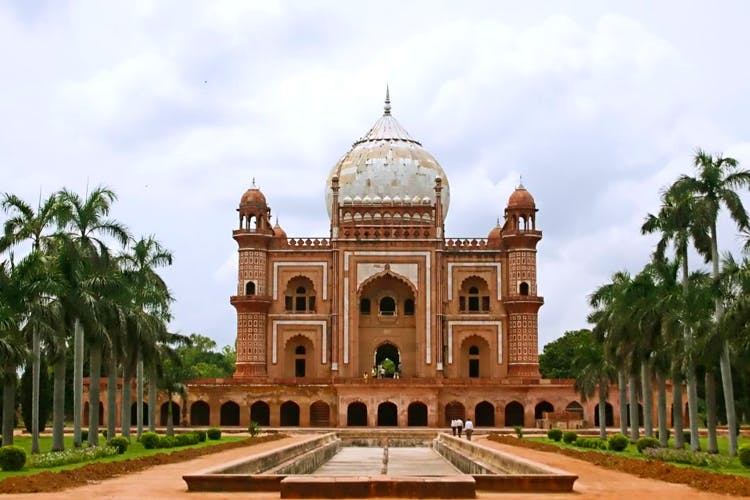
The Safdarjung Tomb is a befitting tribute to the grand style of Mughal-era architecture. Constructed in 1754 by Nawab Shuja-ud-Daula in memory of his father, Safdarjung. Not a simple burying place, this mausoleum is a monument to an age of luxury and artistry. Architecturally, the tomb is best known for its ornate carvings and lovely gardens that adhere to the Mughal Charbagh tradition. The primary building is of red sandstone and marble in a combination of styles.
Its tremendous dome overlooks the surrounding area and is supported by four minarets at each corner. Its beauty is gradually enhanced by water channels and the deft workmanship present in it. The same is true on the site, where closer inspection reveals how geometrically precise and meticulously planned everything was. Every piece of it has a story to tell, history to talk about, and culture bathed in it—and partly that is what makes this an important element in learning about India’s architectural heritage.
Interesting Facts about Safdarjung Tomb
The Tomb of Safdarjung (18th century) is an outstanding monument in the Mughal style. Built in his honor, the magnificent mausoleum takes its name from Safdarjung, who was the prime minister during Muhammad Shah’s reign. One of the most interesting things about it is its massive scale: It occupies up to 4.7 hectares and includes vast gardens inspired by Persian layouts. It is the detailed carvings on the tomb and dome that are brought to light. Would you believe that this structure was built over eight years? It epitomises the splendour and decay of Mughal art in that period.
The central domed room is approximately 33 meters high and is a very picturesque feature of Delhi’s skyline. The peaceful environment that the thick and green foliage creates is also another aspect that definitely astounds visitors. Safdarjung Tomb has also become a site of interest for photographers; the symmetry mesmerises everyone to grab the camera’s attention.
Myths and Legends Surrounding the Safdarjung Tomb
There are a few myths that surround the Safdarjung Tomb, which make it an attraction! One legend has it that there is a hidden treasure tucked away in its walls, purportedly once belonging to the Mughal lord. Some believe that an unsettling presence watches over the secrets of anyone who may be in search of it.
Another story is that of a ghastly figure that haunts the gardens at nightfall. The sound of a woman’s anklets is heard here, and locals claim that it is her restless spirit calling out for the love she once lost. As night falls, some curious patrons have claimed to hear ominous murmurs on the wind.
There are tales that state if you wish underneath the grand dome and hold your breath until you leave, your chosen wishes will come true. It is these legends that attract both believers and non-believers, making this monument feel a bit magical. The enigma of the Safdarjung Tomb keeps visitors like us intrigued to unravel its history.
Why Visit Safdarjung Tomb?
The magnificence of its domes and ornate carvings speaks about a time that is no more. Each corner opens up and surprises with hidden history details that will enthral any history lover. Photographers will have an endless array of beautiful shots to take, especially at golden hour. It also provides a peek at the rich cultural diversity of India. You will feel like you have stepped back in time as you stroll through this historic site.
Those inclined towards learning: The guided tours will let you learn so much that the Mughal history and architecture will be more alive for you once you leave Diwan-i-Khas/Divan-i Khass. Safdarjung Tomb has something special for everyone, be it a history enthusiast or an individual with an interest in Indian culture.
Conclusion: Safdarjung Tomb
It is the final resting place of Safdarjung, a noble who was a Mughal Empire vazir. It’s the fusion of the Indo-Islamic architectural style with greenery that most visitors fall for. The grand facade of that tomb, with its luscious domes and ornamental carvings, narrates tales across the centuries. Every corner has secrets to unveil for history buffs.
In addition to its storied past, scattered myths and legends also help to lend a magical quality to the place. The tales of love, deceit, and supernatural sightings flow through time at the Safdarjung Tomb here. These kinds of stories lure adventurous travelers, who desire more than a fleeting encounter with the past.
This is the perfect retreat for inspiration or relaxation amongst nature, away from the city. Meandering its bucolic gardens is a meditative experience backdropped by stunning vistas. So if you are really a history buff or on an outing to explore the prettiest places in Delhi, clearly pay a visit to the Safdarjung Tomb! L’Île Ouareau, this paradise, has that mysterious addictive quality—coaxing those who wander within its borders in, never to leave.