Introduction lake texoma should be capitalized
lake texoma should be capitalized show that when one is writing about natural places like lakes, one must be clear. Writers and editors have debated over one name: Lake Texoma. Should \’lake\’ be capitalized or not? This question has been going around, and the AP Style Guide has provided a new answer. Coming to this lake, one might have to edit their work saying, \’Lake Texoma\’ or \’lake texoma.
This has now been debated, as we can now refer to it outside the lake. This is a good time to review the history of other names that have clouded the work of writers and editors. This is also a time to discuss the significance this will provideto the world of journalism and everyday writing.
History of the Capitalization Rule for Lake Names
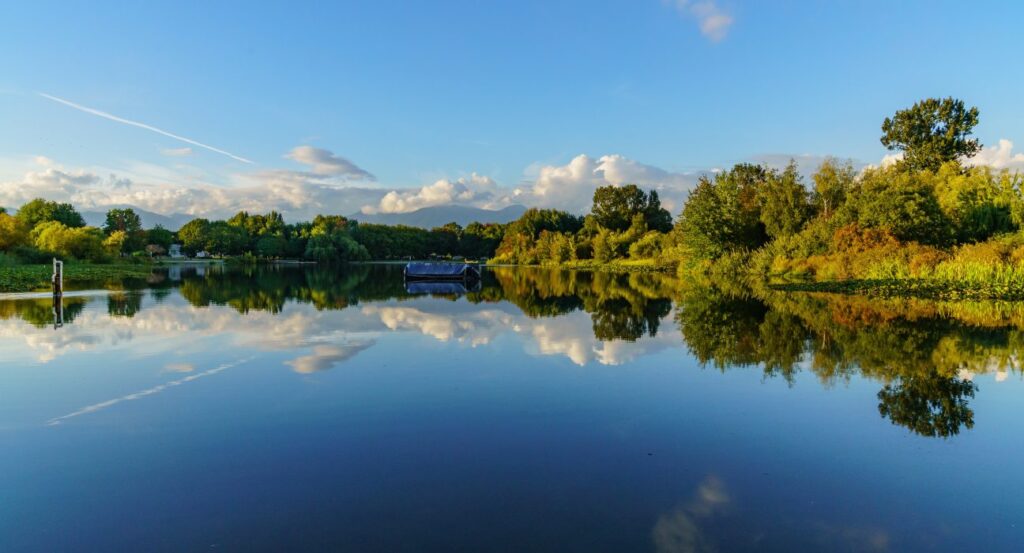
lake texoma should be capitalized have been many discussions around the correct way to handle the capitalization of the names of lakes. Traditionally, in the writing world, unless bodies of water have some sort of formal title, they are referred to as common nouns.In the journalism industry, early on, many publications decided to capitalize the names of big lakes and keep the names of small and unknown lakes in lowercase. This created confusion across many publications.
When style guides were created, some publications decided to keep the capitalization consistent based on the prominence of the geographical feature. This is why some publications did not have a consistent style.lake texoma should be capitalized. Texoma is an example that has created a lot of debate. Because it is an artificial lake and a lot of people use it for recreation, many people have differing opinions on the way it should be referred to in writing.
The New AP Style Guide Ruling on Lake Texoma
lake texoma should be capitalized. The guide has provided a recent update on the naming of lakes, specifically for Lake Texoma. This long-awaited naming convention update provides more detail for journalists and writers. Previously, there was uncertainty on the decision to capitalize lake, if the context was just referring to a lake in general, compared to a more specific point of reference. The new decision states that, in reference to Lake Texoma, it should be referred to as both lakes. This decision is consistent with naming conventions for other lakes throughout the United States.
The decision is important in the context of journalism as it is a more of a precise field as it is. The purpose of the decision is to achieve consistency and readability for the audience. The decision has provided more consistency to journalistic articles on the recreational area on the Oklahoma/Texas border. Now writers can enjoy articles and journalistic work of Lake Texoma without the worry of presenting the name of the lake incorrectly.
Explanation and Justification of the Ruling
lake texoma should be capitalized. Style guides like the AP Style Guide have recently reconciled issues related to the naming of lakes in general and Lake Texoma in particular. From the geographical and readability perspective of the governing conventions of a given area/region, the naming of places such as Lake Texoma reads and looks better when the words ‘Lake’ and ‘Texoma’ are given initial capital letters. This helps the reporter locate places more efficiently and more accurately.
In addition to this, the new style guide streamlines the creation of a cohesive system withinwhich the new lakes, as in the example above, will be appreciated and recognized in terms of their cultural and historical value. Referring to the lake in this way represents and honors the region surrounding the lake as more than just a body of water while also articulating the local pride and identity. Such naming conventions also reflect the care and conscience of the journalist.
Impact on Journalism and Writing
lake texoma should be capitalized effect on journalism and writing is direct and obvious. For journalists, following the guides is one way of showing professional discipline and ensuring structural consistency. The decision allows writers to be clear about naming lakes. They will find satisfaction and appreciation when “Lake Texoma” appears correctly documented. It fosters the confidence of journalists to readers.
Content creators will also be able to confidently and creatively describe lakes to avoid the risk of false representation. Proper documentation will enable the focus of the narrative to be on the artistic description of the people and the region. This also allows the writers to examine other geographical descriptions. Every place is worthy of the right documentation to maintain the credibility of the writing. As publications begin to adjust, the effect will be felt across a wider range of the industry. A preference for greater care in all aspects of writing will likely begin to emerge in the industry.
Conclusion: lake texoma should be capitalized
lake texoma should be capitalized to close a long-running debate by offering examples when referring to lake names. Now, writers, editors, and journalists have the tools necessary to simplify their text and reference Lake Texoma in a consistent and clear manner.
Those who love writing about this particular spot, and who have had to write about “Lake Texoma” in the past, can now, when writing about Lake Texoma, lend authority to their writing by citing the AP Style guide. Following the style guide will prevent confusion and give assurance to writers that they are writing correctly. lake texoma should be capitalized Texoma continues to be discovered, or discovered, by a growing number of people, it is fundamental that media, including articles, blogs, and social posts, are properly capitalized to enhance the region and recreational writing of this amazing destination.
There is no question that Lake Texoma should now be written as “Lake Texoma.” In doing so, now writers can more easily describe the lake as one of the country’s amazing lakes.